
Credit Building in 2026: A Complete Guide to Improving Your Credit with My Home Pathway

Introduction
Credit plays a central role in financial stability, housing access, and long-term wealth building, yet many people are never given clear guidance on how to improve it. In 2026, credit building is no longer just about fixing mistakes. It is about using the right tools, understanding how credit works, and turning everyday financial behavior into measurable progress.
This guide explains how credit scores are calculated, why credit matters for homeownership, and how renters and working families can build stronger credit without taking on unnecessary debt. It also outlines how My Home Pathway brings rent reporting, bill reporting, credit education, and trusted partnerships together in one place to support both credit building and long-term homeownership readiness.
Whether you are rebuilding after setbacks or preparing for your first home purchase, this guide is designed to help you understand where you stand and take informed steps forward.
For many people, credit is the silent obstacle holding them back from financial stability, better housing, and long-term wealth.
You can have steady income.
You can pay rent on time.
You can manage your bills responsibly.
Yet without strong credit, opportunities remain out of reach.
That is why credit building is not just a financial task. It is a gateway to mobility and one of the most important steps on the path to homeownership.
At My Home Pathway, we built a platform designed to help people understand their credit, improve it strategically, and connect that progress directly to homeownership readiness. This guide explains how credit works, why it matters, and how My Home Pathway brings the right tools, partnerships, and education together in one place.

Why Credit Building Matters More Than Ever in 2026
Credit scores influence far more than loan approvals. They affect:
Mortgage interest rates
Rental approvals
Auto loan terms
Insurance premiums
Access to affordable financing
Even a modest improvement of 50 to 100 points can translate into thousands of dollars saved over time and can dramatically expand housing options.
Despite how important credit is, many people were never taught:
What actually affects their credit score
How to improve credit without taking on risky debt
How to turn everyday payments into positive credit history
This lack of access to information, not a lack of effort, is one of the biggest barriers My Home Pathway works to remove.
How Credit Scores Work, Simply Explained
Understanding credit is the foundation of improving it. Most credit scoring models weigh the following factors.
Payment History (35 percent)
Do you pay your obligations on time? Even one missed payment can impact your score for years.
Credit Utilization (30 percent)
How much of your available credit are you using? High balances, even if paid off monthly, can suppress scores.
Length of Credit History (15 percent)
Older, well-managed accounts strengthen your profile.
Credit Mix (10 percent)
A healthy combination of revolving and installment accounts can help.
New Credit (10 percent)
Frequent applications can temporarily lower scores.
The key takeaway is simple. Credit building is about consistency, not perfection.
How My Home Pathway Helps You Build Credit in One Place
My Home Pathway was created to eliminate fragmentation. Instead of juggling multiple tools, platforms, and guesswork, users can access credit-building resources, education, and progress tracking in one unified ecosystem.
Rent Reporting: Get Credit for What You Already Pay
Rent is often the largest monthly expense and historically one of the least recognized by credit systems.
Through My Home Pathway, eligible on-time rent payments can be reported to credit bureaus, helping users:
Establish payment history
Strengthen thin or limited credit files
Build credit without taking on new debt
For renters planning to buy a home in the future, this is one of the most impactful places to start.
Bill Reporting: Turn Everyday Payments into Credit Progress
Many people consistently pay:
Utilities
Phone and internet bills
Streaming and subscription services
My Home Pathway allows qualifying bill payments to contribute to your credit profile. This helps demonstrate responsible financial behavior using obligations you already manage each month.
Credit-Builder Accounts Through SELF
Self is a trusted partner that offers structured credit-building products designed for people who want to improve credit without traditional borrowing.
These accounts:
Report on-time monthly payments to credit bureaus
Help establish positive payment history
Allow users to build savings while building credit
This approach is especially helpful for individuals rebuilding after credit challenges or starting fresh with limited credit history.
Credit Education and Visibility Through TransUnion
TransUnion is one of the three major U.S. credit bureaus. Through My Home Pathway’s partnership with TransUnion, users can:
View their credit score and credit history
Understand what is impacting their score
Learn how lenders evaluate credit profiles
This visibility is critical. You cannot improve what you cannot see. My Home Pathway makes that insight accessible in a supportive and educational way.
Practical Credit-Building Strategies for 2026
Tools matter, but habits matter just as much. These strategies pair directly with the My Home Pathway platform.
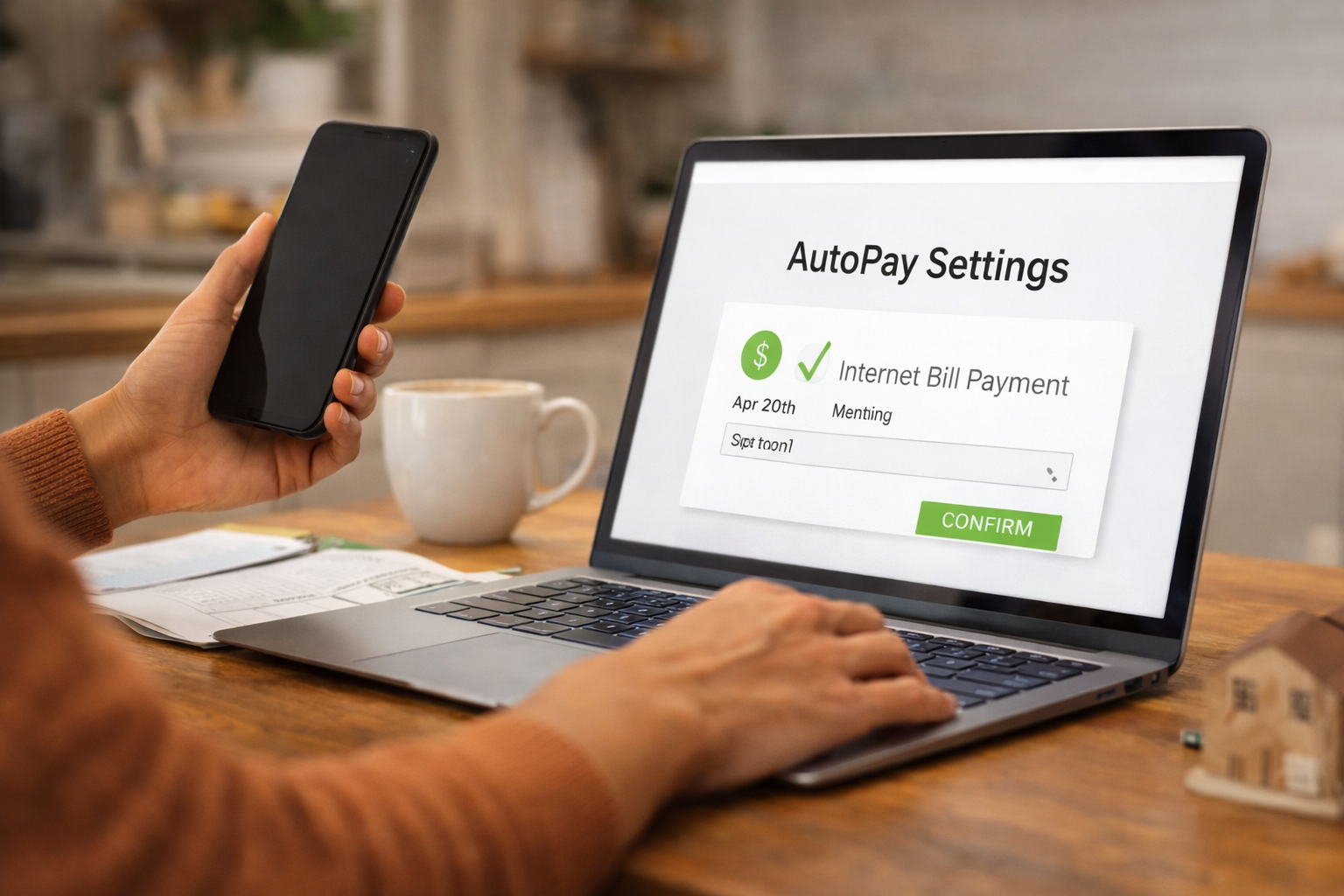
Automate Payments to Protect Your Credit
Late payments are one of the fastest ways to damage credit. Automating minimum payments helps ensure:
On-time payment history
Fewer accidental missed payments
More stable and predictable credit progress
You can always make additional payments manually when your budget allows.
Keep Credit Utilization Low
Even responsible users can be penalized for high utilization.
Best practices include:
Keeping balances below 30 percent of available credit
Making multiple payments throughout the month
Requesting credit limit increases without increasing spending
Lower utilization often leads to faster score improvement than opening new accounts.
Communicate With Creditors When Things Get Tight
Financial stress happens. Avoiding communication can make the situation worse.
Many creditors are open to:
Temporary hardship programs
Reduced payment plans
Settlements on delinquent accounts
Always confirm how any agreement will be reported to the credit bureaus before committing.
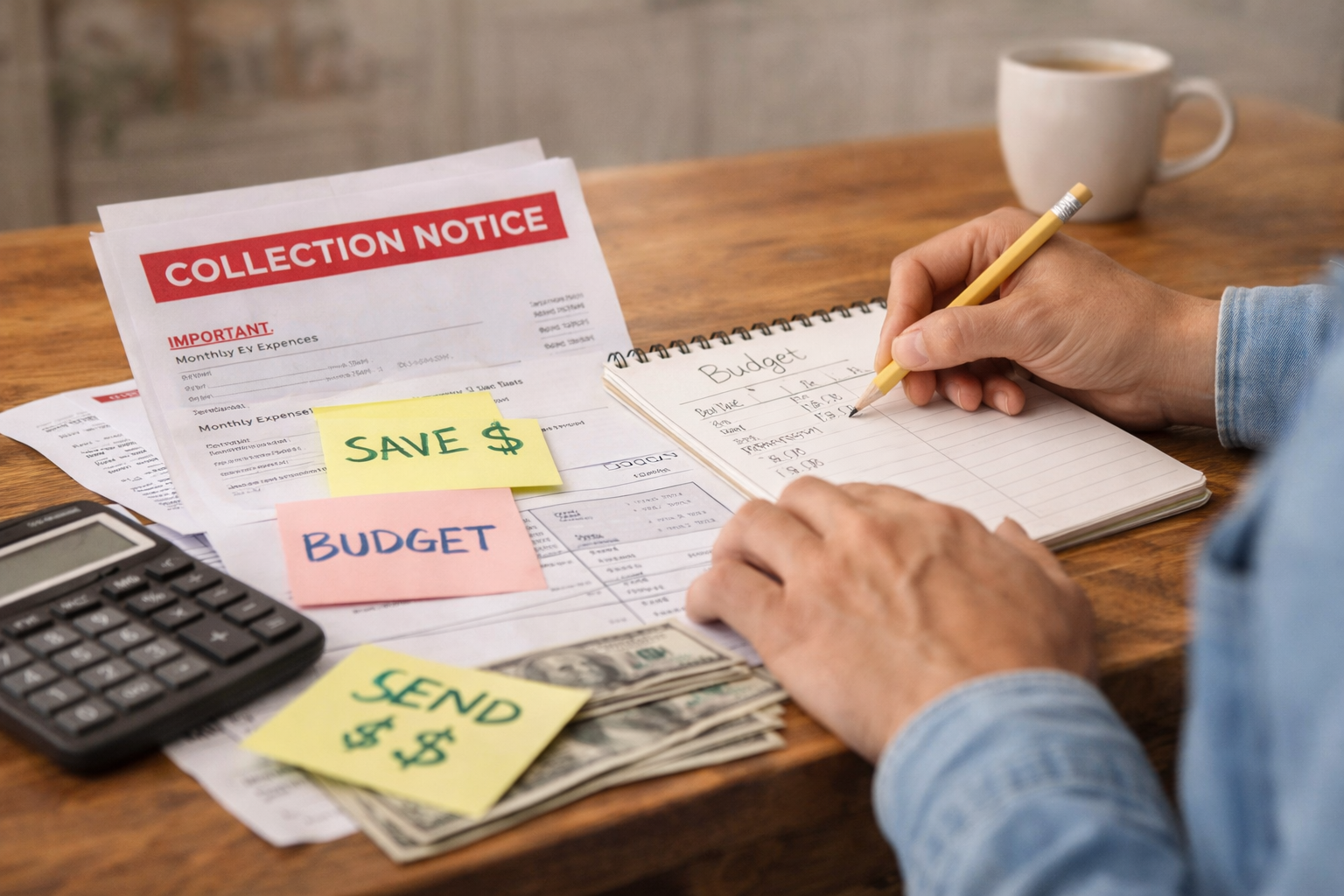
Address Collections Strategically
Not all collections affect credit the same way. Understanding which accounts matter most, especially for future mortgage eligibility, is essential.
My Home Pathway helps users focus on strategic progress rather than panic payments.
How Credit Building Connects to Homeownership
Credit is one of the most important components of mortgage readiness.
Stronger credit can lead to:
Lower interest rates
Better loan program options
Lower monthly payments
Fewer underwriting obstacles
My Home Pathway is designed to connect credit improvement directly to homeownership planning. Users understand why each step matters and what it unlocks next.
Why Use My Home Pathway Instead of Doing This Alone
Credit building is often overwhelming because it is fragmented.
My Home Pathway brings together:
Credit visibility through TransUnion
Rent and bill reporting tools
Structured credit-builder options
Education, guidance, and long-term planning
A clear connection to homeownership readiness
Instead of guessing, users can see where they stand, take informed action, and track progress toward real financial goals.
Frequently Asked Questions
How long does it take to build credit?
Many users see early movement within 30 to 90 days, but meaningful improvement typically happens over several months of consistent behavior.
Can I build credit if I have had past financial issues?
Yes. Credit scores reflect trends over time. Positive actions can outweigh past challenges when applied consistently.
Do I need to open new credit cards to build credit?
Not necessarily. Rent reporting, bill reporting, and structured credit-builder products can improve credit without adding new revolving debt.
Will checking my credit hurt my score?
No. Reviewing your own credit information through My Home Pathway does not negatively impact your score.
Is My Home Pathway only for people ready to buy a home now?
No. My Home Pathway supports people at every stage, from early credit building to active homebuyers.
Why should I use My Home Pathway instead of separate tools?
Because My Home Pathway connects credit building, education, and homeownership planning in one place, making progress clearer and more intentional.
Start Building Your Credit With Purpose
Credit building does not have to be confusing, intimidating, or isolating.
With My Home Pathway, you can:
See where your credit stands
Understand what is holding it back
Use trusted tools to improve it
Connect that progress to long-term goals like homeownership
If improving your credit is part of your plan for 2026, My Home Pathway gives you the structure, visibility, and support to move forward, starting today.
